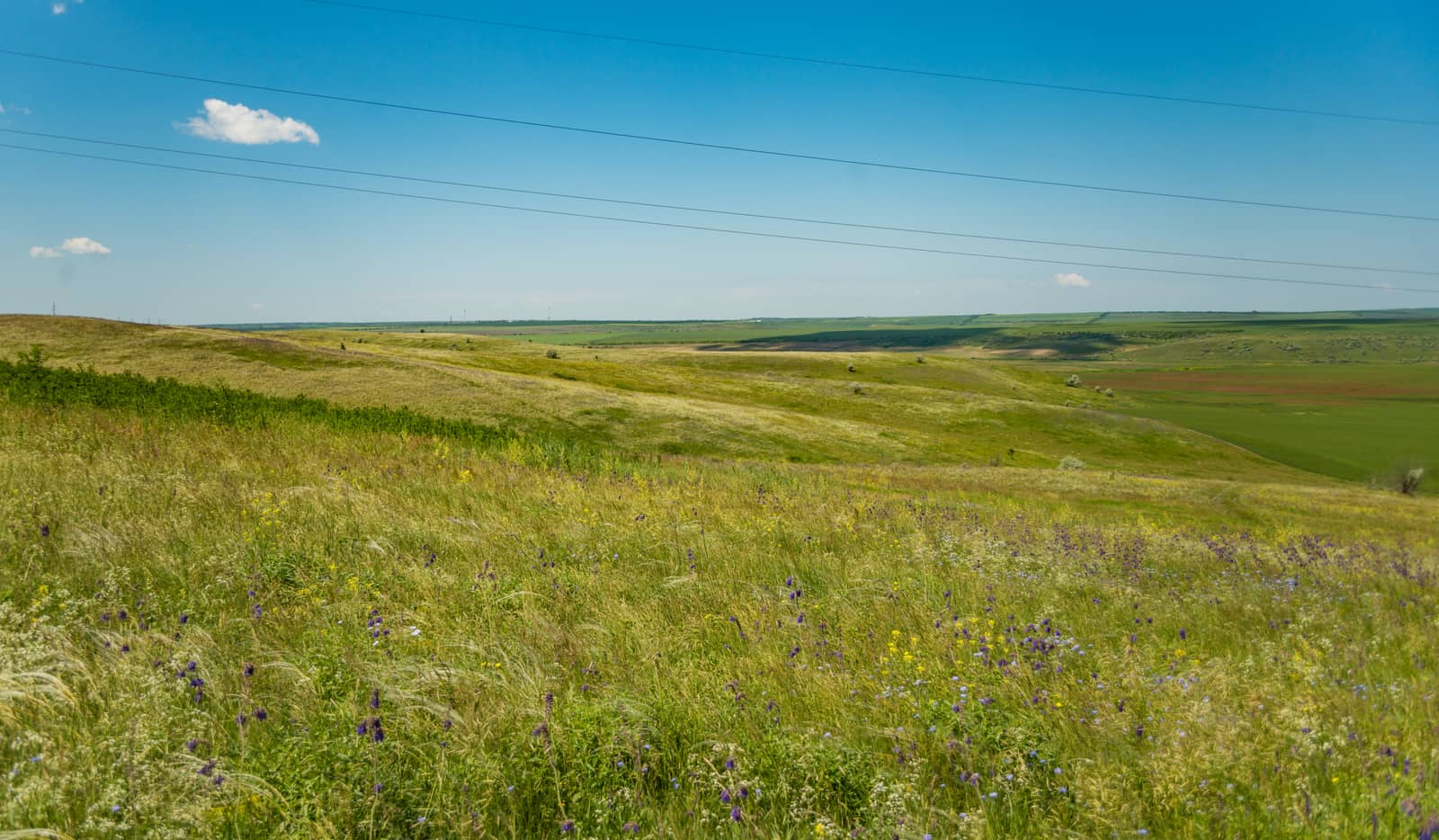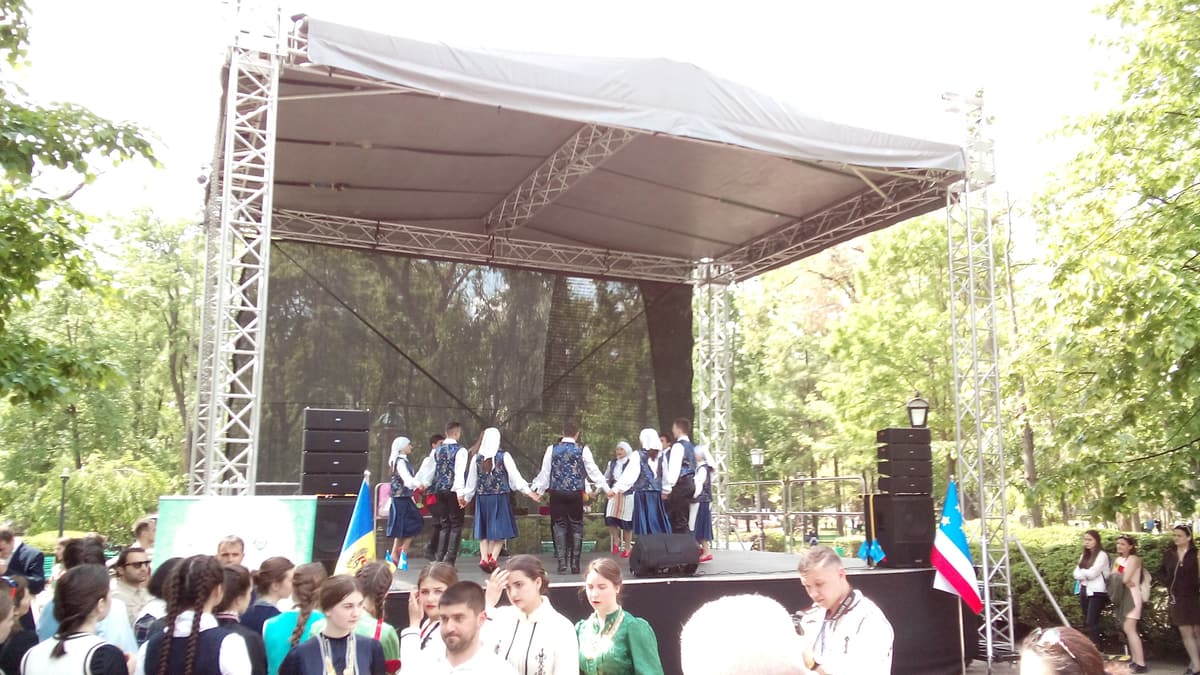
The Gagauz are one of Europe’s most unusual peoples: they speak a Turkic language that a visitor from Istanbul can largely follow, and they are Orthodox Christians whose villages are centred on domed churches. That combination — and two centuries of life as farmers and shepherds on the Budjak steppe — has produced a culture that is neither quite Balkan, nor Turkish, nor Slavic, but distinctly its own.
The people
Most of the world’s Gagauz live in southern Moldova, where they form the large majority in Gagauzia; others live across the border in Ukraine’s Odesa region, in Bulgaria, Greece, Romania, Kazakhstan and elsewhere. Where they came from is one of the unsolved puzzles of European history. Some scholars see them as descendants of medieval Turkic steppe peoples who adopted Christianity; others as Balkan Christians who adopted a Turkic language. The Gagauz themselves tend to be relaxed about the question and proud of both halves of the answer.
The language
Gagauz belongs to the Oghuz branch of the Turkic languages, alongside Turkish, Azerbaijani and Turkmen. It has absorbed words from Bulgarian, Romanian, Greek and Russian, and is written in a Latin alphabet. In daily life most Gagauz are bilingual or trilingual, switching easily between Gagauz, Russian and, increasingly, Romanian. UNESCO has listed Gagauz among the world’s endangered languages, which is why the village museums and the university’s language programmes matter so much to local people.
A few words to try: selâm (hello), saa ol (thank you), hoş geldiniz (welcome), sofra (the table, and by extension a meal shared with guests).
Faith and the year
Village life follows the Orthodox calendar — Christmas, Easter, the patron saint’s day of each church — overlaid on a far older pastoral year divided in two. Hederlez, on 6 May, opens the summer half: flocks traditionally went out to pasture, shepherds were hired and a lamb was sacrificed. Kasım, on 8 November, closes it, when the flocks came home and accounts were settled. Today Hederlez is the great public celebration of Gagauz identity, with horse races, wrestling, music, dancing and enormous shared meals.
Kurban is the custom of offering an animal, usually a lamb, in thanks or in fulfilment of a vow — on a saint’s day, at Hederlez, or to mark a family event. The meat is cooked with bulgur in great cauldrons and shared with neighbours and anyone who comes by. If you are invited to a kurban, go: it is hospitality in its purest form.
Crafts: carpets and costume
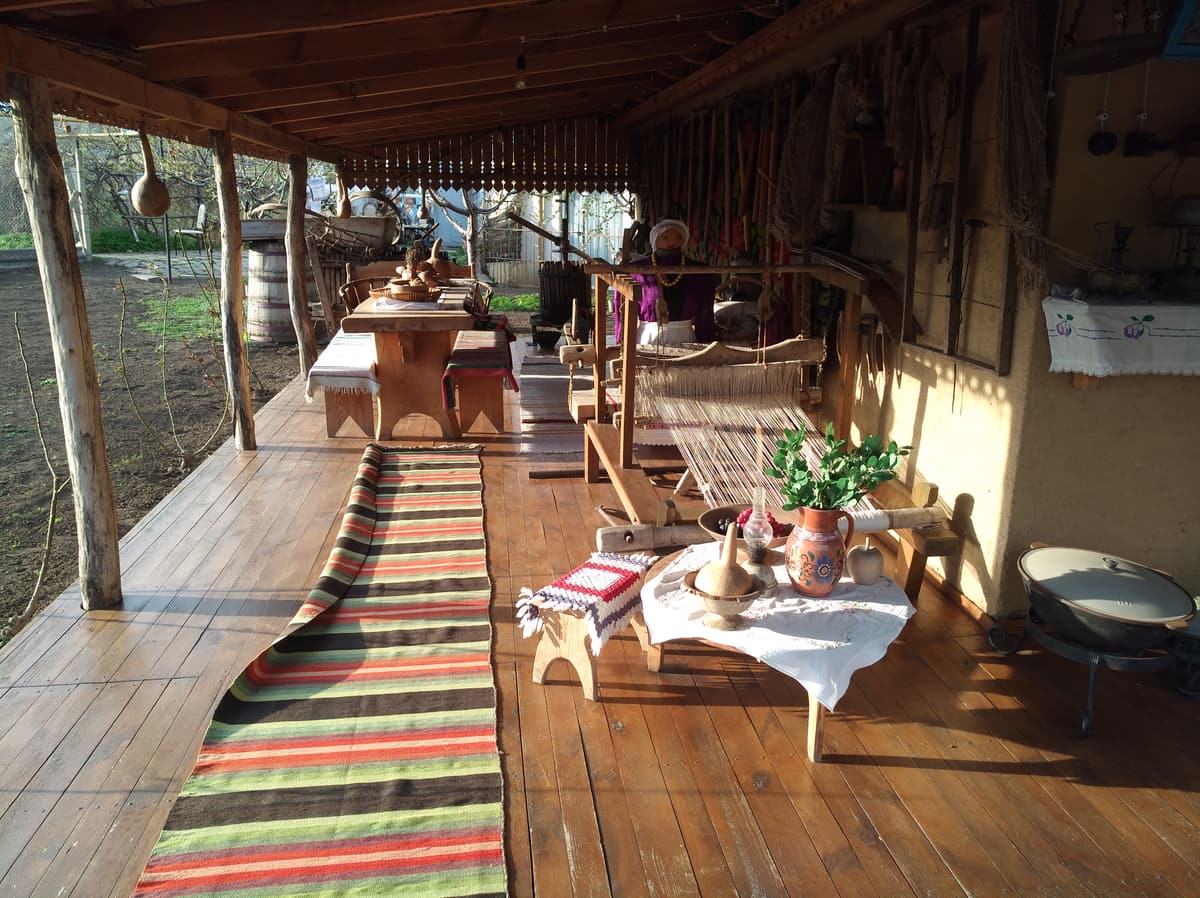
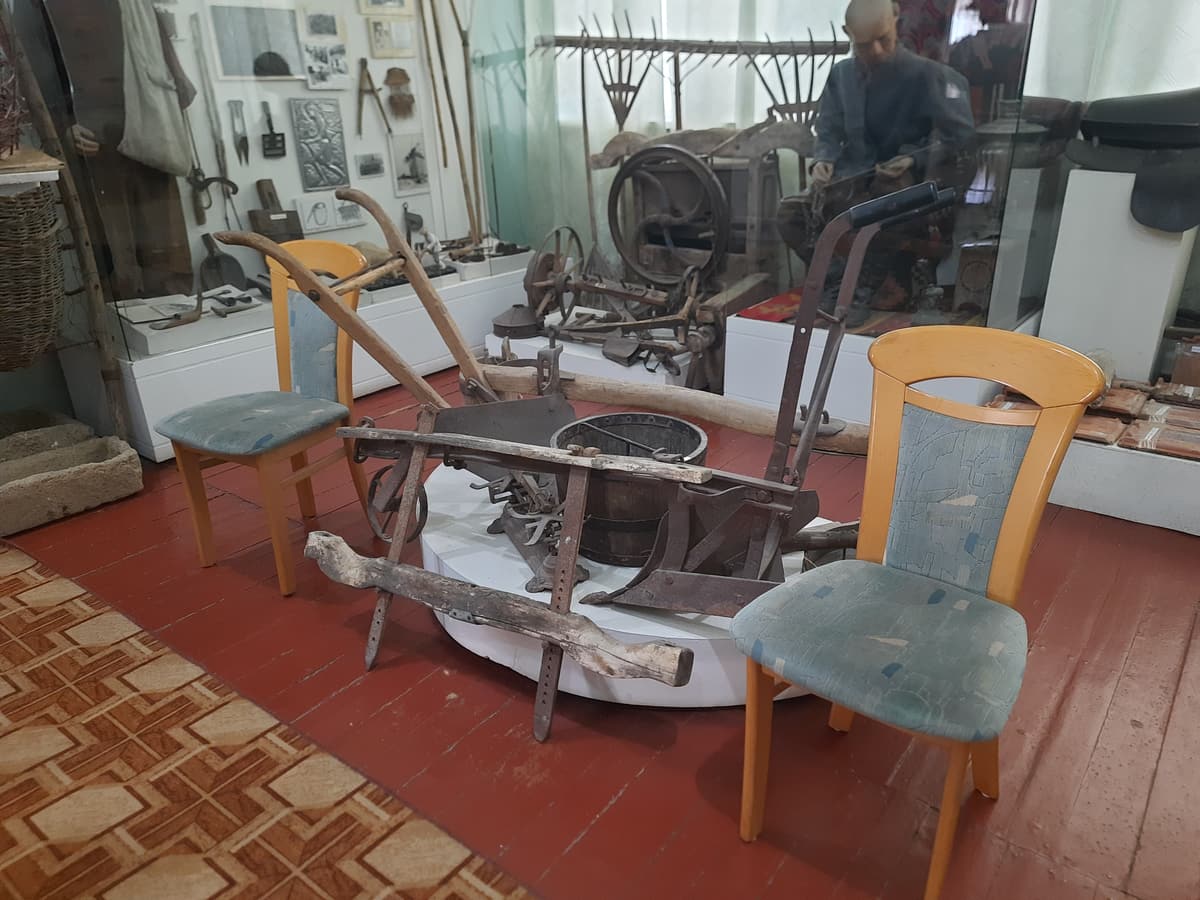
Gagauz households once wove their own flat-woven wool carpets, typically with bold roses and geometric borders on a dark ground, and gave them as dowry. You will see fine old examples in the museums at Beșalma, Avdarma and Comrat, and a festival of carpets is held in the region in summer. Traditional dress — embroidered shirts, dark waistcoats, sheepskin hats for men, aprons and headscarves for women — now comes out for festivals and folk ensembles.
What to eat
Gagauz cooking is the food of shepherds and gardeners: lamb, sheep’s cheese, wheat, peppers, tomatoes and aubergines, with plenty of pastry. These are the dishes to look for.
| Dish | What it is | Where to try it |
|---|---|---|
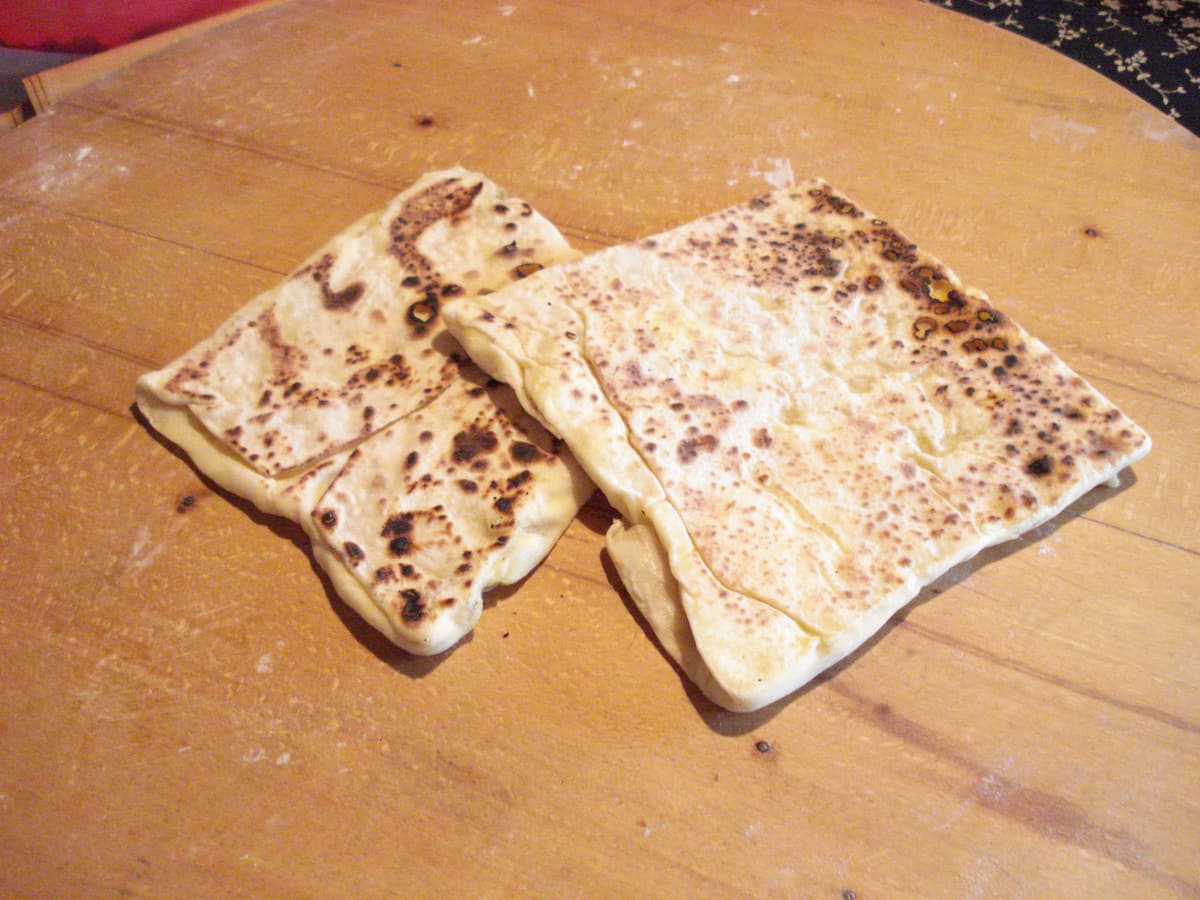
| Gözleme | Thin griddled or baked flatbread folded around sheep’s cheese (brynza), sometimes with herbs or pumpkin | Gagauz Sofrası in Congaz; village homes; markets |
| Kıırma | A coiled layered pie of thin dough with brynza and cream | Home cooking and festival tables |
| Kaurma (kavurma) | Lamb or mutton slowly cooked in its own fat with onion and pepper | Traditional restaurants; Hederlez feasts |
| Bulgur | Cracked-wheat pilaf, the classic partner to kurban lamb | Festivals and ethno-restaurants |
| Şorpa | A hearty, peppery mutton soup | Traditional restaurants |
| Sarma | Vine or cabbage leaves stuffed with rice and meat | Everywhere |
| Manca | A thick stew of chicken or vegetables with tomato and pepper | Home-style restaurants |
| Brynza | Salty white sheep’s cheese | Comrat market |
Spellings vary between Gagauz, Russian and Romanian menus, so do not be surprised to see the same dish written three ways.
Wine
Almost every Gagauz household has vines over the yard and a barrel in the cellar, and guests are greeted with a jug of house red. Commercial wineries range from large producers such as Comrat Wines and Tomai-Vinex to small family estates like Kara Gani in Vulcănești. The warm, dry south favours reds — Cabernet Sauvignon, Merlot, Fetească Neagră, Rară Neagră — along with aromatic whites. Our wine route guide explains where and how to taste, and early November brings the regional wine festival to Comrat.
Where to experience Gagauz culture
- Beșalma: the Kara-Çoban museum, the founding collection of Gagauz ethnography.
- Congaz: the Gagauz Sofrası ethno-complex for food, wine and an overnight stay.
- Avdarma: the village history museum.
- Comrat: the regional museum, the cathedral and the market.
- Ceadîr-Lunga: the horse stud and the Hederlez races.
Being a good guest
Hospitality is a matter of honour here. Accept at least a taste of what is offered, toast your hosts, and do not try to match them glass for glass. Ask before taking photographs of people. Politics, language and history can be sensitive topics in any borderland — listen with interest and let your hosts lead. A guided visit with a local guide opens doors that are hard to find alone.