Southern Moldova has a continental climate softened a little by the Black Sea: hot, dry summers, cold winters with some snow, and two beautiful shoulder seasons. The south is the sunniest and driest part of the country. The best months are May–June and September–October, when the weather is kind and the calendar is full.
Spring (April–June)
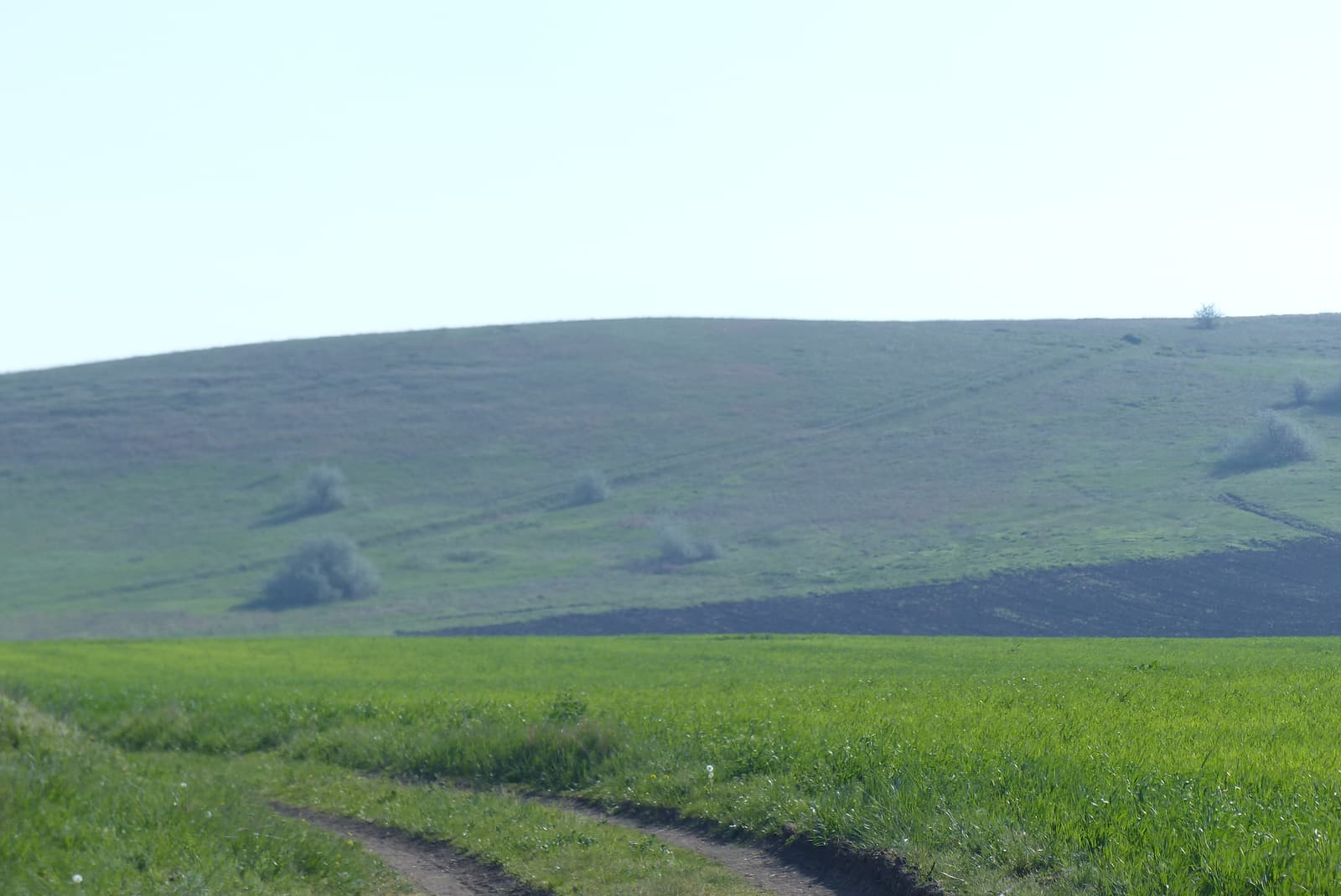
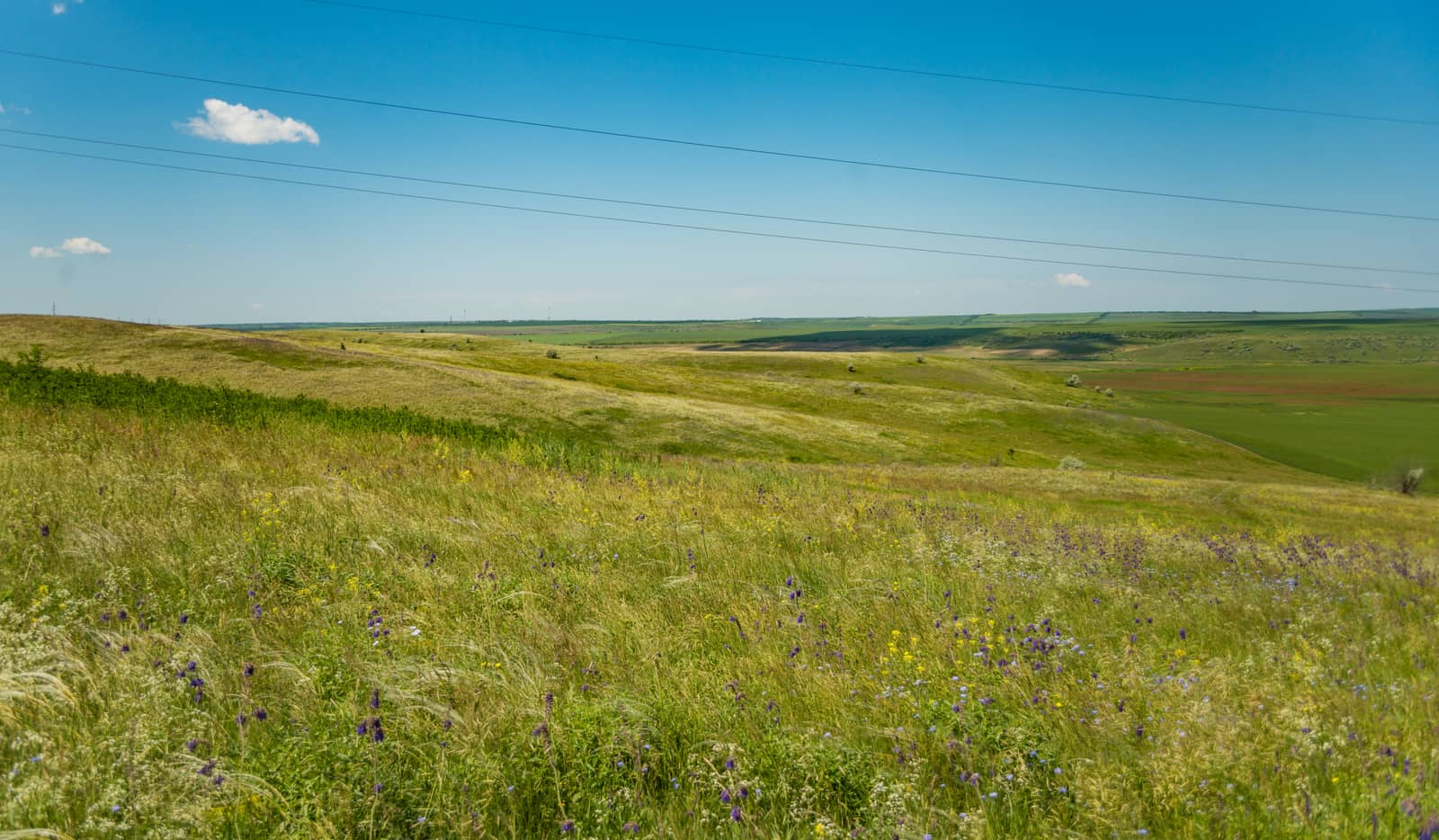
The steppe turns briefly, brilliantly green, orchards blossom in April and wildflowers peak in May and early June. Days are mild to warm with occasional showers. The highlight is Hederlez around 6 May — the Gagauz spring festival, with horse races at Ceadîr-Lunga, music, wrestling and feasting. Orthodox Easter, which falls in April or early May, is the most important religious holiday and a memorable time to be in a village.
Summer (July–August)
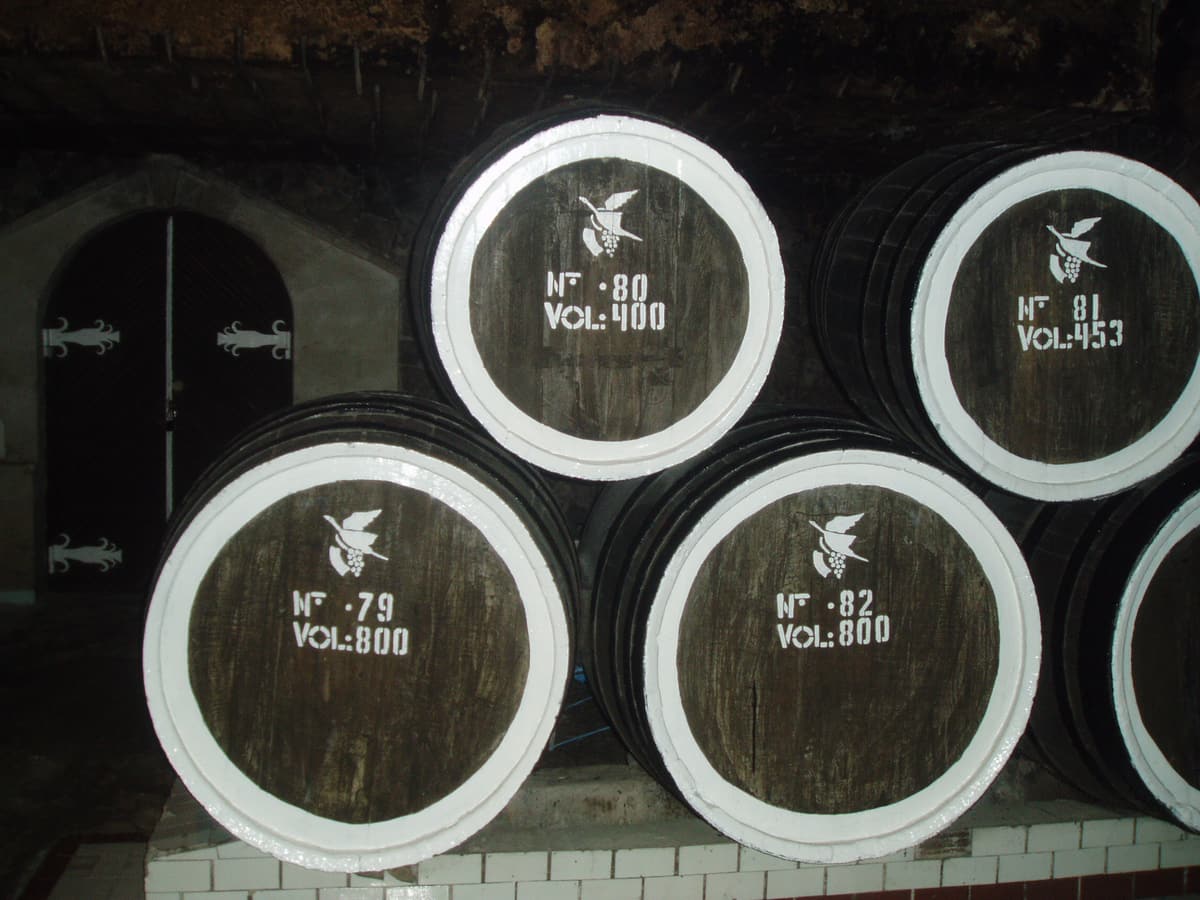
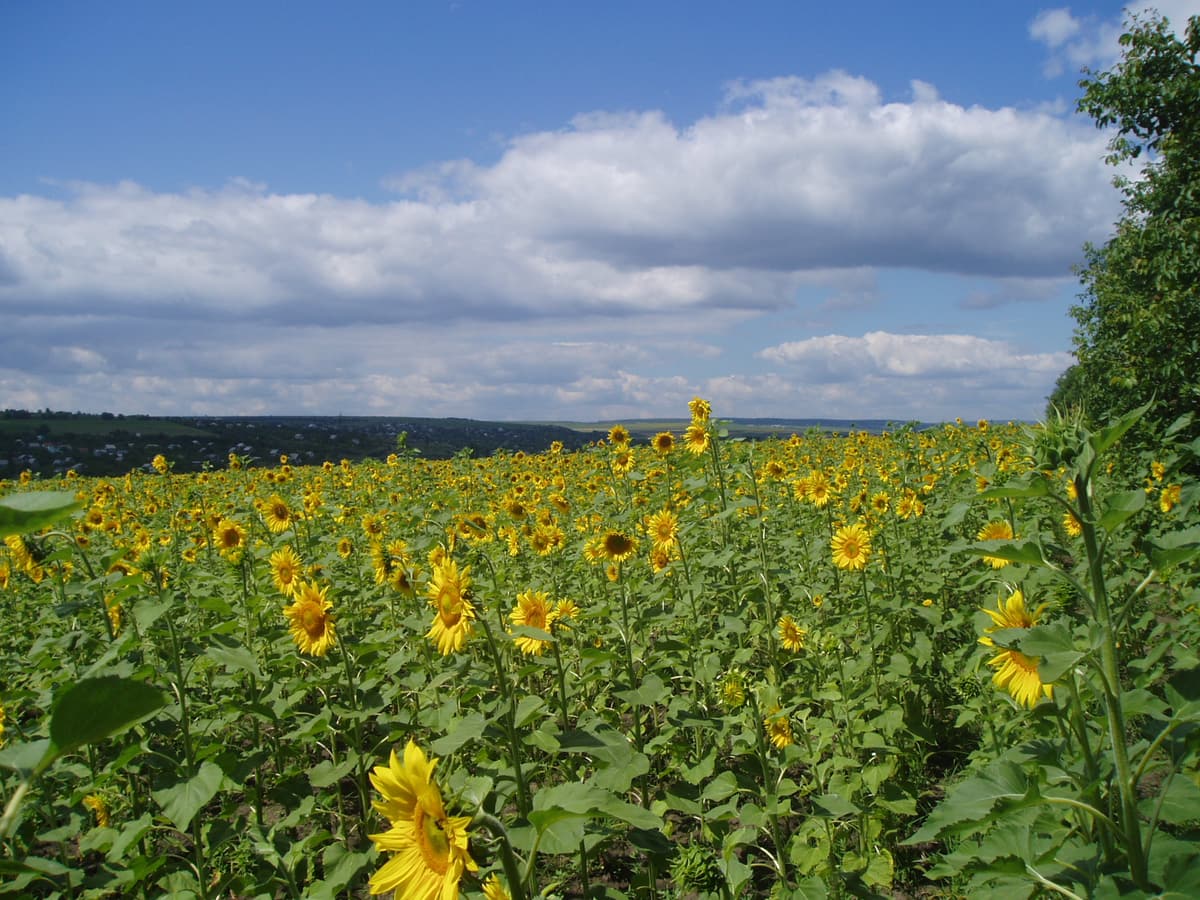
Hot and dry, with afternoon temperatures often around 30 °C and sometimes well above. Sunflowers bloom in July, markets overflow with fruit and vegetables, and village festivals fill the weekends. Sightsee early and late, rest at midday and carry water. It is a good season for evenings outdoors and for visiting cool wine cellars.
Autumn (September–November)
The grape harvest runs through September into October: tractors loaded with grapes on every road, the smell of fermenting must in every yard. Days are warm and golden, nights cool. Moldova’s National Wine Day is celebrated in Chișinău in early October, and Gagauzia’s own wine festival, Gagauz Şarap Yortusu, usually takes place in Comrat in early November. On 8 November the Gagauz mark Kasım, the traditional end of the pastoral year.
Winter (December–March)
Cold, often grey and windy, with temperatures around freezing and occasional snow. Tourism all but stops, but museums stay open, cellars are welcoming and the winter holidays — celebrated by many on both the new and old calendars — bring carol singers and masked processions to the villages. Come for culture and company rather than landscapes.
Month by month
| Month | Weather | What’s on | Verdict |
|---|---|---|---|
| January–February | Cold, around 0 °C, some snow | Winter holidays, quiet museums | For cellar and culture visits |
| March | Chilly, changeable | 1 March Mărțișor spring tokens | Quiet |
| April | Mild, blossom, showers | Orthodox Easter (some years) | Good |
| May | Warm, green steppe | Hederlez (around 6 May), Easter (some years) | Excellent |
| June | Warm to hot, long days | Steppe flowers, cherries | Excellent |
| July–August | Hot and dry | Sunflowers, village festivals | Good if you handle heat |
| September | Warm, clear | Grape harvest | Excellent |
| October | Mild days, cool nights | Harvest, National Wine Day in Chișinău | Excellent |
| November | Cool, first frosts | Gagauz wine festival, Kasım (8 Nov) | Good for wine lovers |
| December | Cold | Christmas and New Year customs | Quiet |
Festival dates move from year to year and programmes are often announced late. Confirm locally, or ask a guide, before building a trip around a single event.
Best time for…
- Culture and festivals: early May (Hederlez) and early November (wine festival).
- Wine: September to early November.
- Landscapes and photography: May and June for green steppe and flowers; July for sunflowers.
- Lowest prices and no crowds: crowds are never a problem here — come whenever suits you.
- Avoiding heat: skip mid-July to mid-August if you dislike temperatures above 30 °C.
Opening times and holidays
Museums commonly close one day a week (often Monday) and on public holidays. Around Orthodox Easter, the Monday after the following Sunday — the day of remembrance of the dead — is a major family occasion when many businesses shut. Markets are liveliest in the morning. Always check hours for the specific place you plan to visit.
Ready to pick dates? See the available tours or read about Gagauz festivals and food.