Comrat is the capital of Gagauzia and, with roughly 20,000 inhabitants, its largest town — though “town” flatters it a little. It is a low-rise, leafy place strung along one long main street in the valley of the Ialpug river, about 100 km south of Chișinău. Nothing here is grand, and that is the point: Comrat is where you see how the Gagauz actually live, shop, worship and argue about football.
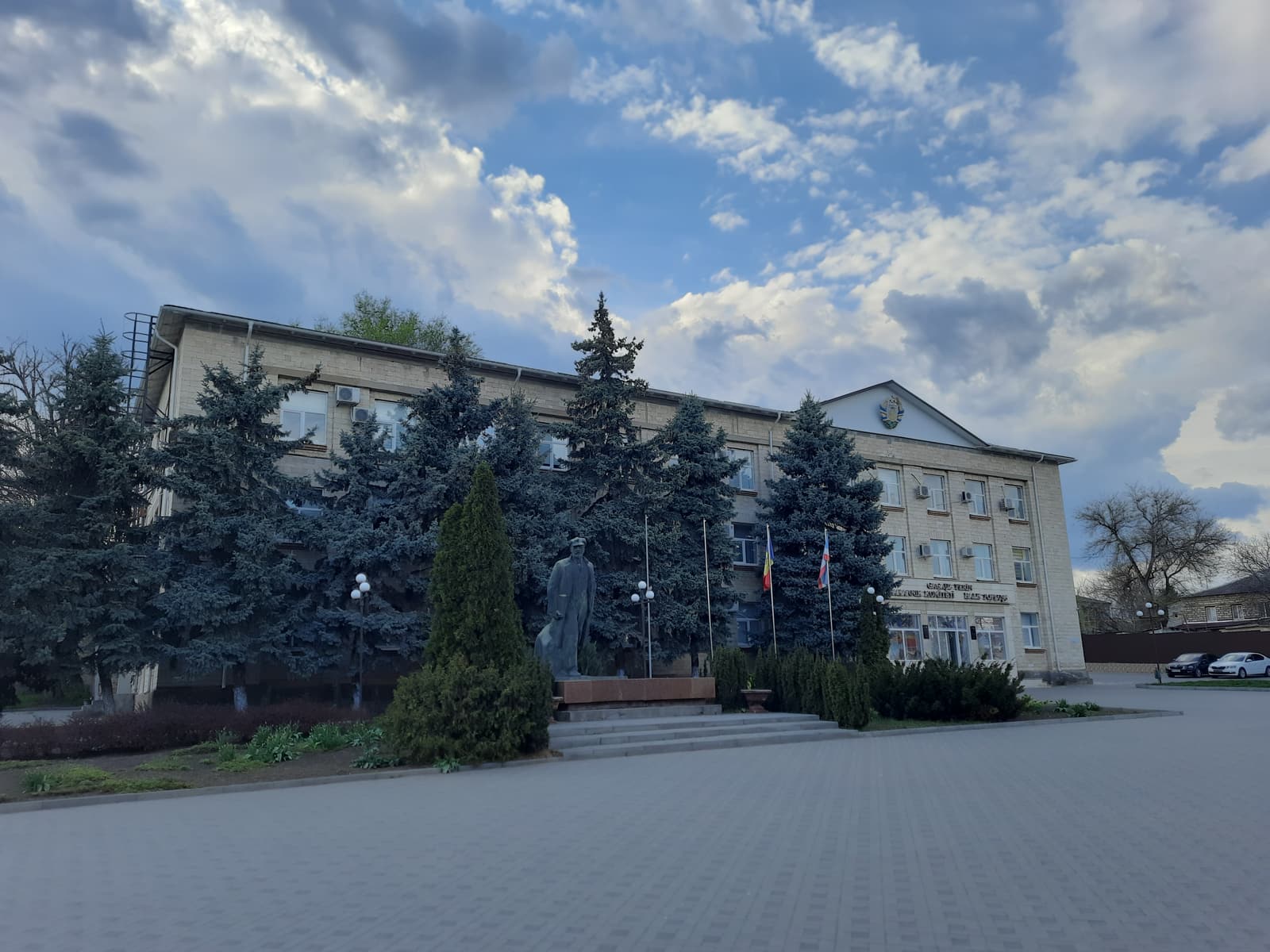
The settlement dates from the late 18th century and grew as Gagauz and Bulgarian families from the eastern Balkans settled the Budjak steppe after it passed to the Russian Empire in 1812. Today the signs are in Gagauz, Russian and Romanian, the cathedral is Orthodox, the statue on the main square is still Lenin, and the university library carries the name of Atatürk — a neat summary of the layers that make the region unusual.
You can walk between every sight in the centre in ten minutes. Give Comrat half a day on its own, or use it as the hub for the village museums at Beșalma and Avdarma, the ethno-complex at Congaz and the wineries of the steppe.
Top things to do: Comrat
Cathedral of St John the Baptist
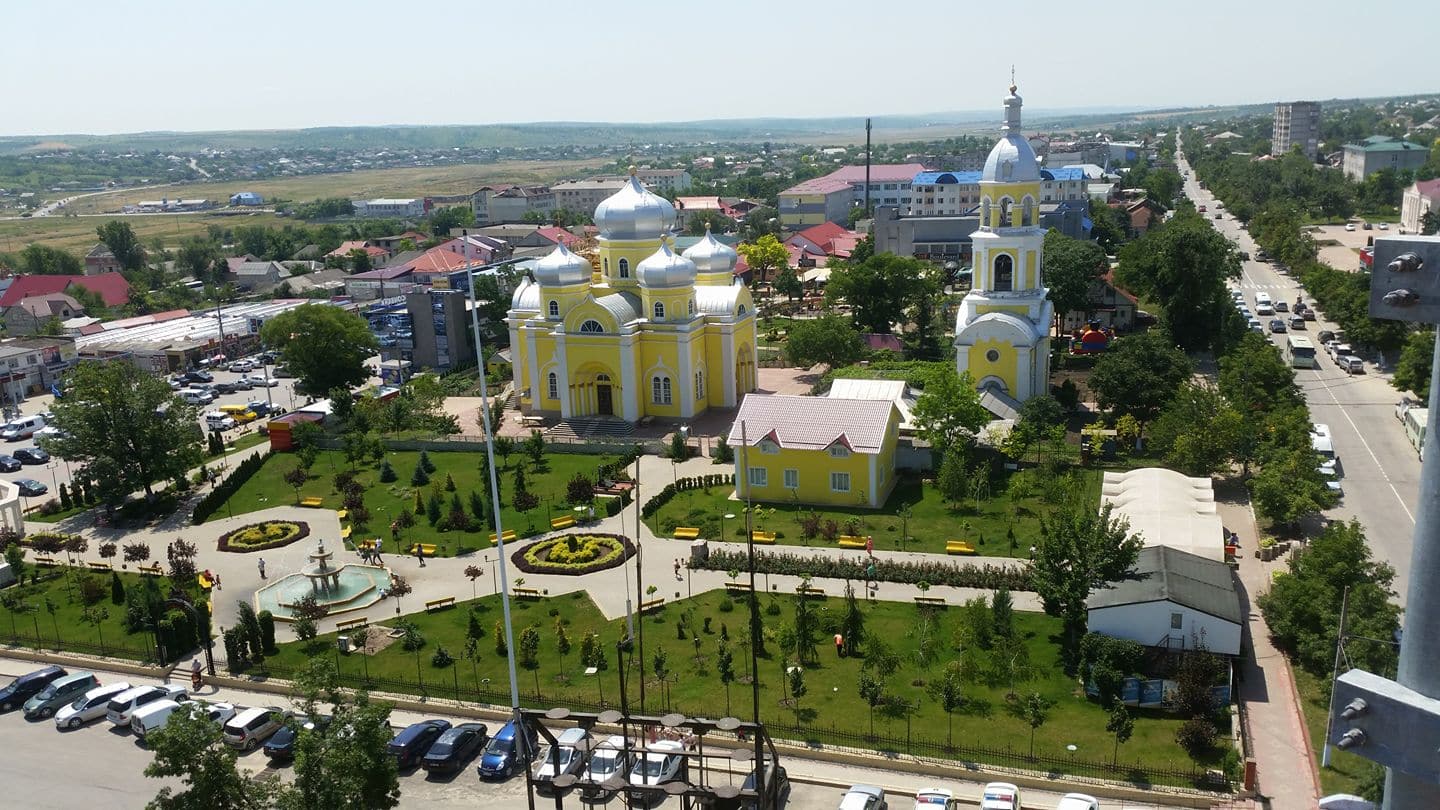
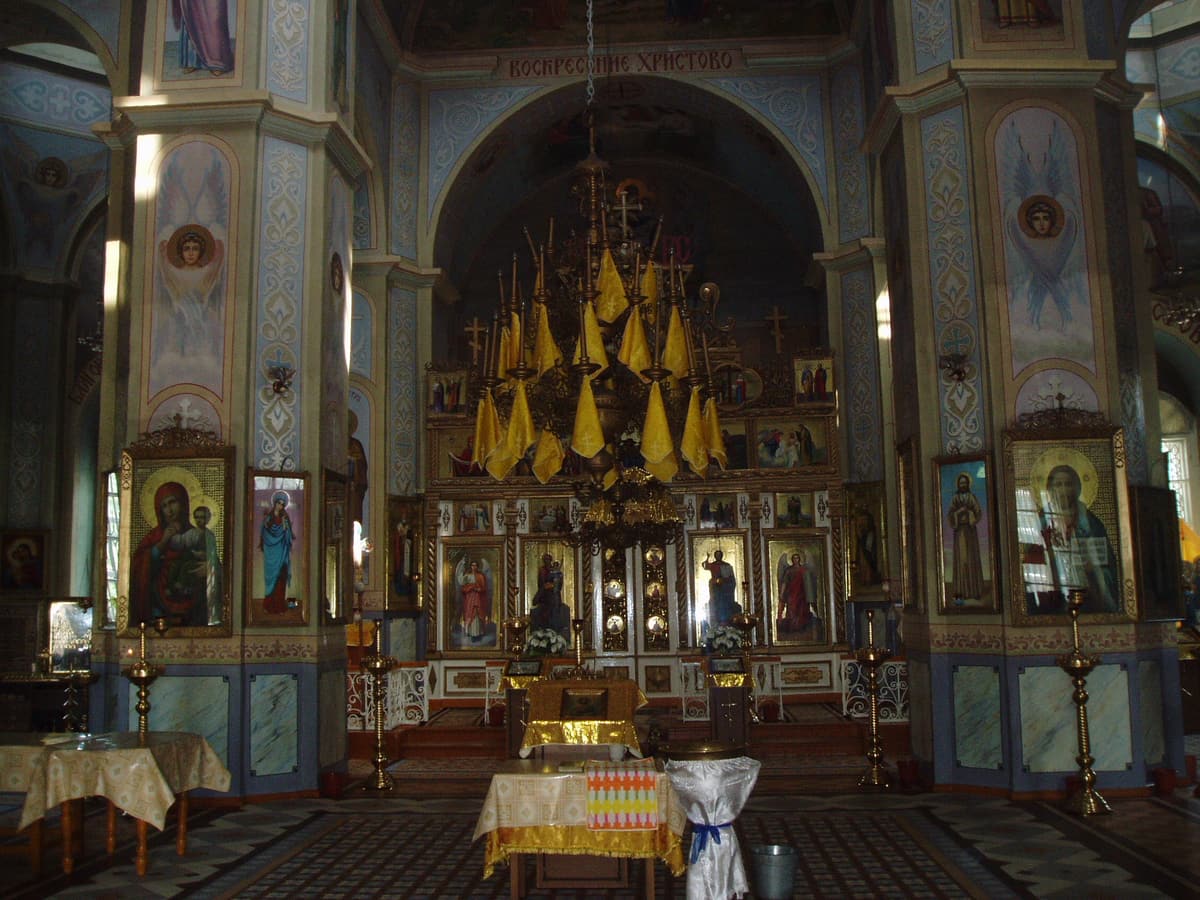
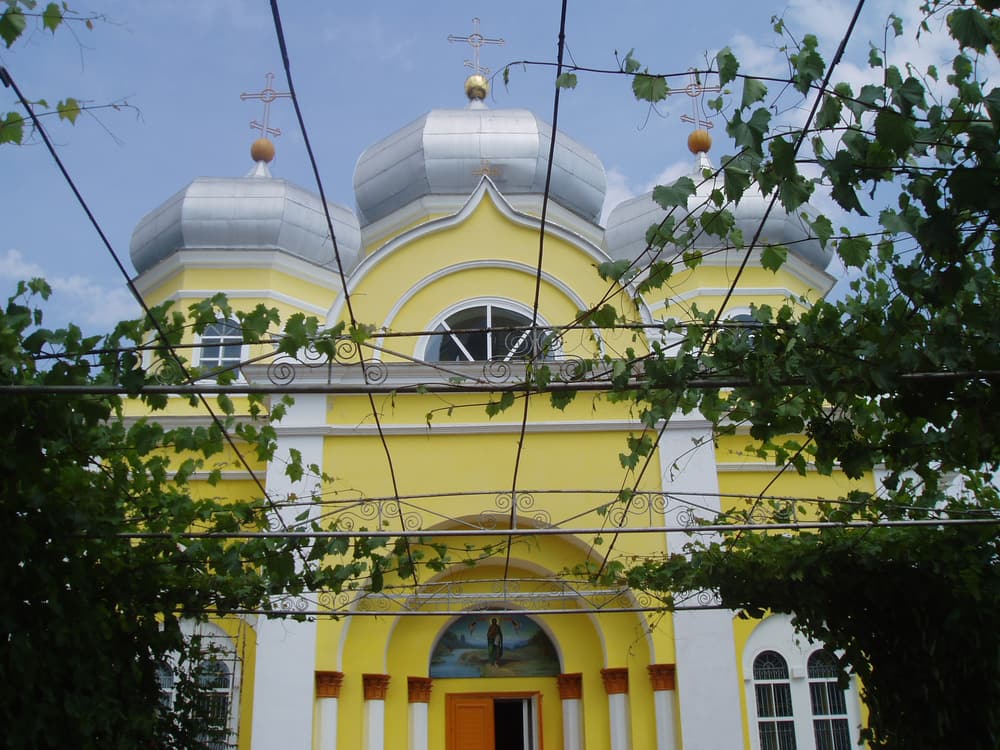
The yellow, silver-domed cathedral in the central park is the symbol of the town. It dates from the 19th century and stands with a separate bell tower in a small garden. Step inside for the gilded iconostasis; dress modestly, and women usually cover their hair.
Regional museum of history and local lore
A traditional local museum on the main street that tells the story of the Gagauz and their neighbours: migration from the Balkans, village life, costumes, carpets, the short-lived “Comrat Republic” uprising of 1906 and the Soviet decades. Labels are mostly in Russian and Gagauz, so a guide adds a lot.
Alley of Glory
A short, tree-lined walk lined with busts of people who shaped Gagauz culture and public life — writers, scholars and local leaders. It is a quick stop, but it puts names and faces to the story the museum tells.
Comrat State University and the Atatürk Library
Founded in 1991, the university is the intellectual centre of the region and gives the town its student life. The Turkish-supported Atatürk Library nearby reflects the close cultural ties between the Gagauz and Turkey.
The central market
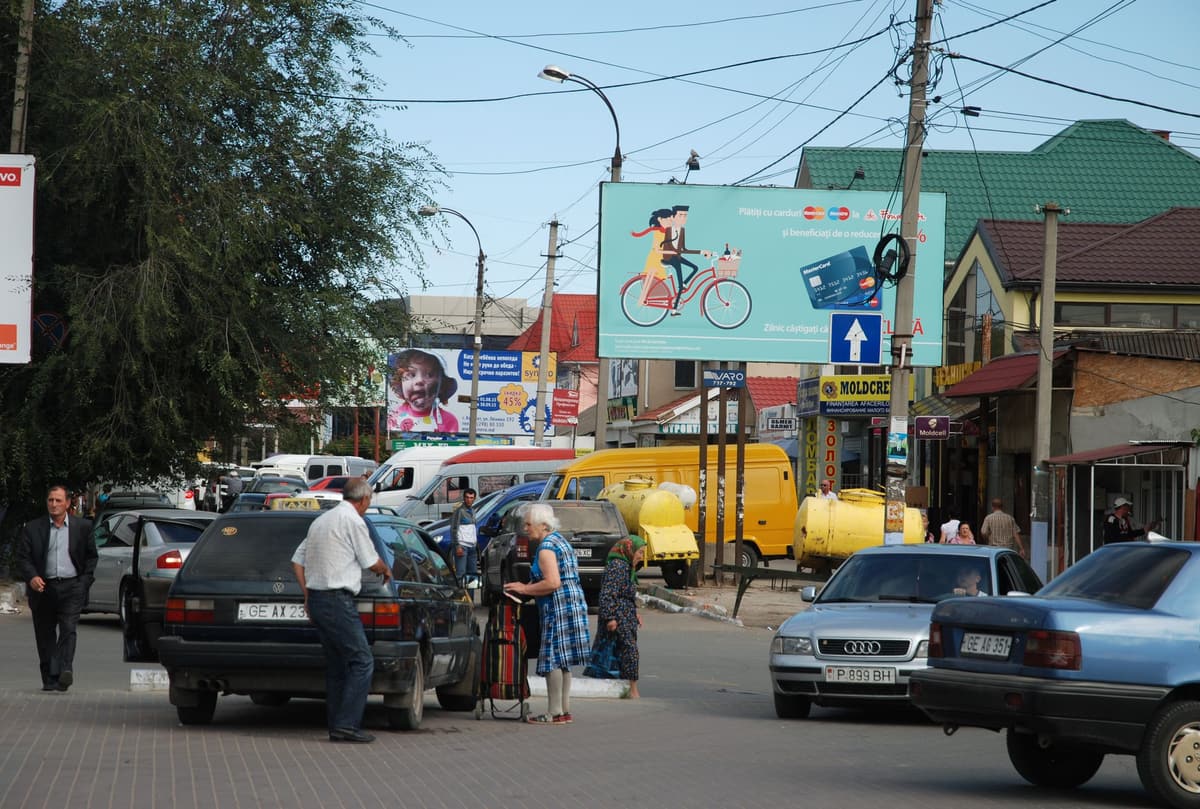
Comrat’s market is where the town comes alive, especially in the morning: brynza sheep’s cheese, pickles, sunflower oil, home-made wine in plastic bottles, seasonal fruit and vegetables. Bring cash in lei and an appetite.
Main square and Lenin
The square in front of the regional administration still has its Lenin statue, flanked by fir trees. It makes a telling photograph and is the usual meeting point in town.
How to get to Comrat
- From Chișinău, minibuses (marshrutkas) and buses to Comrat leave frequently through the day from the Southern Bus Station (Gara de Sud), taking roughly 1.5–2 hours. You pay the driver or at the ticket window in Moldovan lei; check the current timetable locally, because it changes.
- By car, the drive is about 100 km on the main road south via Hîncești or Cimișlia. Most organised day trips from Chișinău take the Hîncești route and stop at the Manuc Bei Mansion on the way.
Insider tips
- Museums in Gagauzia often close on Mondays and for a lunch break; opening hours change, so ask your guide or call ahead.
- Russian is the language you will hear most; Gagauz and Romanian are also official. English is limited outside hotels and among students.
- Carry cash in lei for the market, marshrutkas and cafés. There are ATMs along the main street.
- There are only a few places to stay in Comrat, so book ahead if you plan to spend the night.
Tours & day trips: Comrat
These bookable day trips are the easiest way to see Comrat and the area around it — check each itinerary for the exact stops:
 Day trip from €145
 Gagauzia: Day Tour in Gagauzia and Manuc Bei Mansion
The most-reviewed Gagauzia tour on GetYourGuide. A full day from Chișinău that pairs the restored Manuc Bei Mansion with the Gagauz region, where a guide introduces the people, their culture and their traditions.
- Full day in Gagauzia from Chișinău
- The 19th-century Manuc Bei Mansion on the way
- Gagauz people, culture and traditions explained by a guide
 Day trip from €299
 All-Inclusive Gagauzia: Wine Tasting, Cooking & Lunch
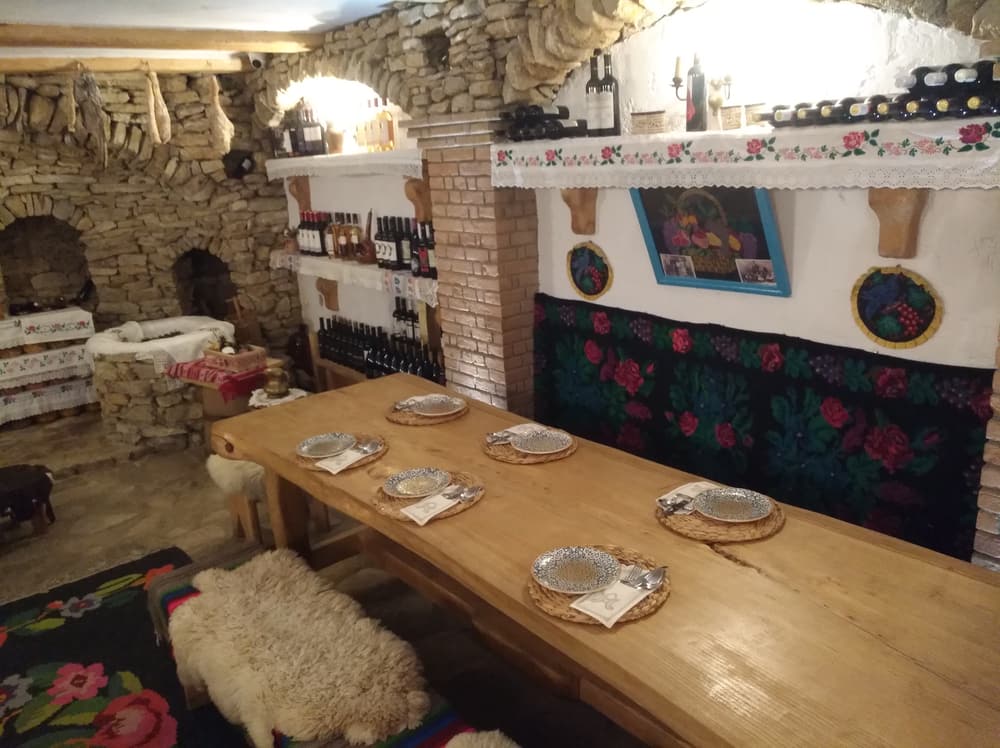
A guided day from Chișinău built around the table: you visit the Manuc Bei Mansion and the main Gagauz towns, meet local people, join a cooking class and sit down to a traditional feast. The highest price on this list, but the most is included.
- Manuc Bei Mansion and the main Gagauz towns
- Cooking class with locals
- Traditional feast with wine tasting
 Private day trip from €149
 Adventure in Gagauzia – Private Cultural Day Trip
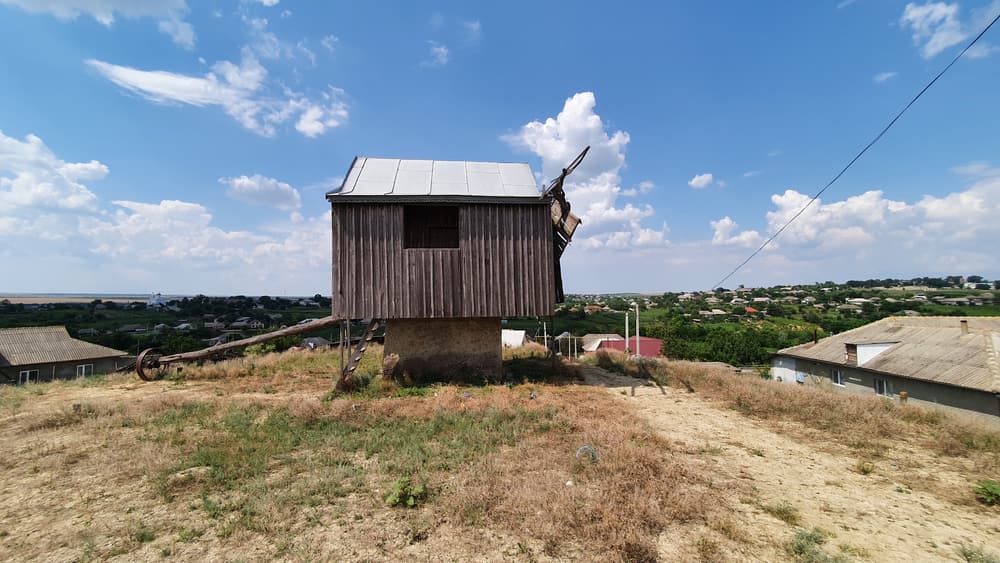
A private day trip that explores the autonomous region of Gagauzia — its heritage, its people and its traditions. It is a new listing with no reviews yet, so read the itinerary and the inclusions carefully before booking.
- Private trip through the autonomous region
- Heritage, traditions and welcoming locals
- A pace set by your own group
 Day trip from €162
 Discover the Land of Gagauzia with a Local Guide
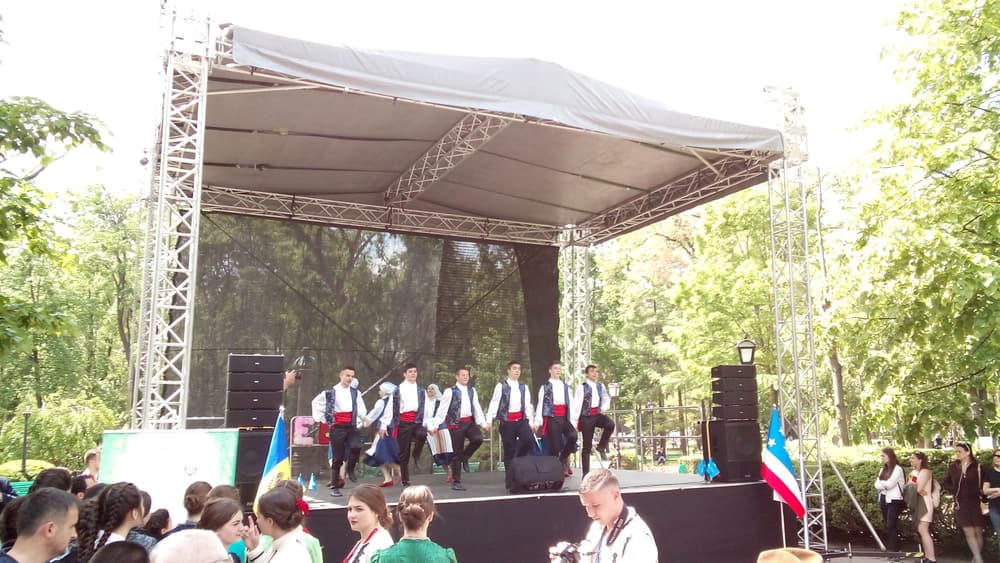
A tour of Gagauzia led by a local guide, presented as an invitation from the hospitable Gagauz themselves. The listing is short on detail and has no reviews yet — check the current itinerary, duration and meeting point on GetYourGuide.
- Led by a local guide
- An introduction to Gagauz hospitality
- Filed under GetYourGuide’s own Gagauzia location