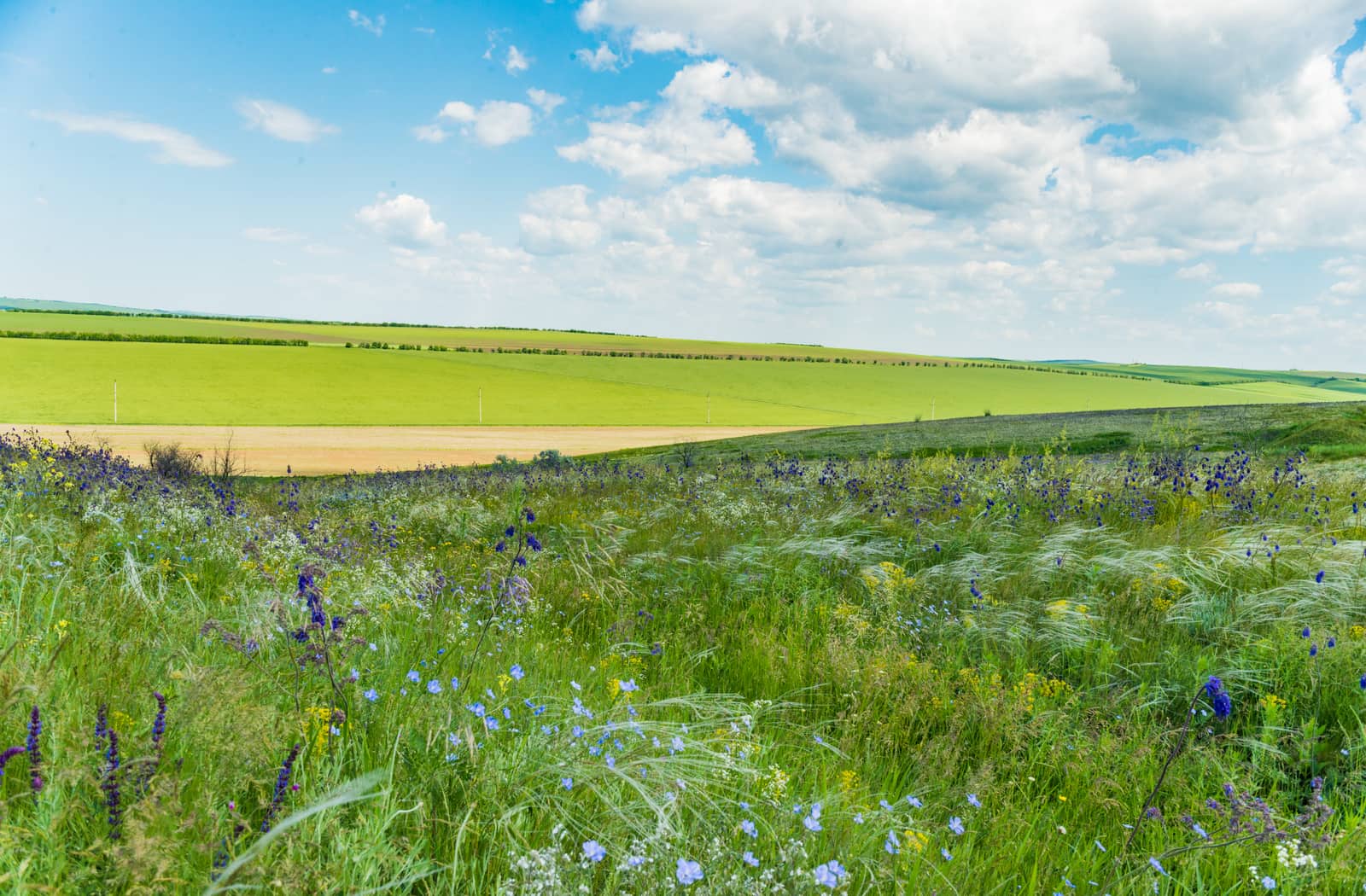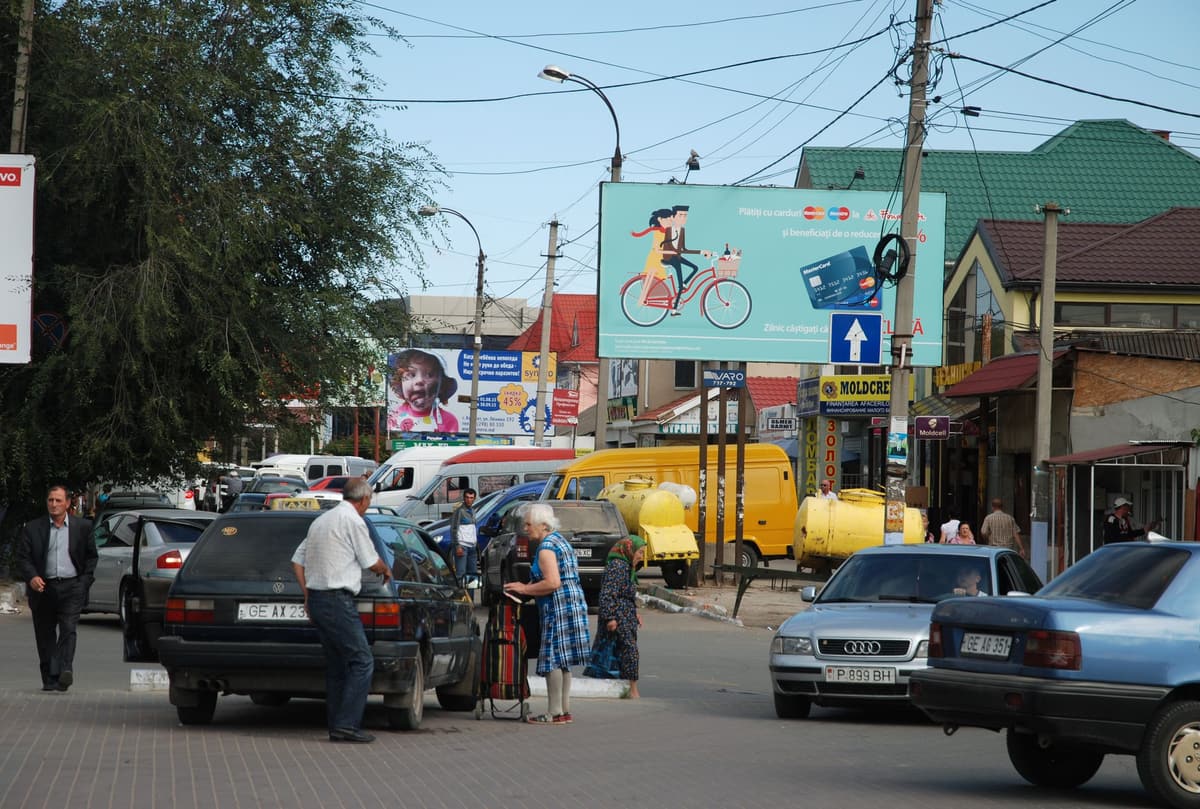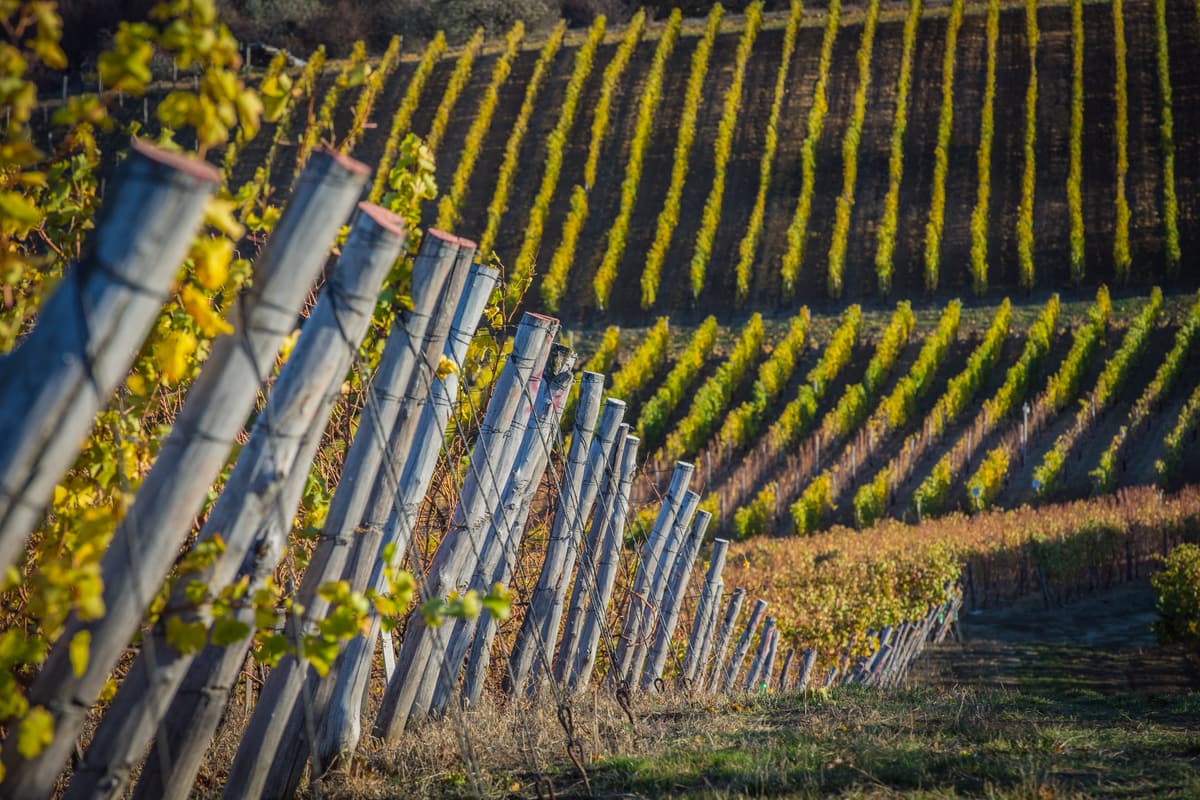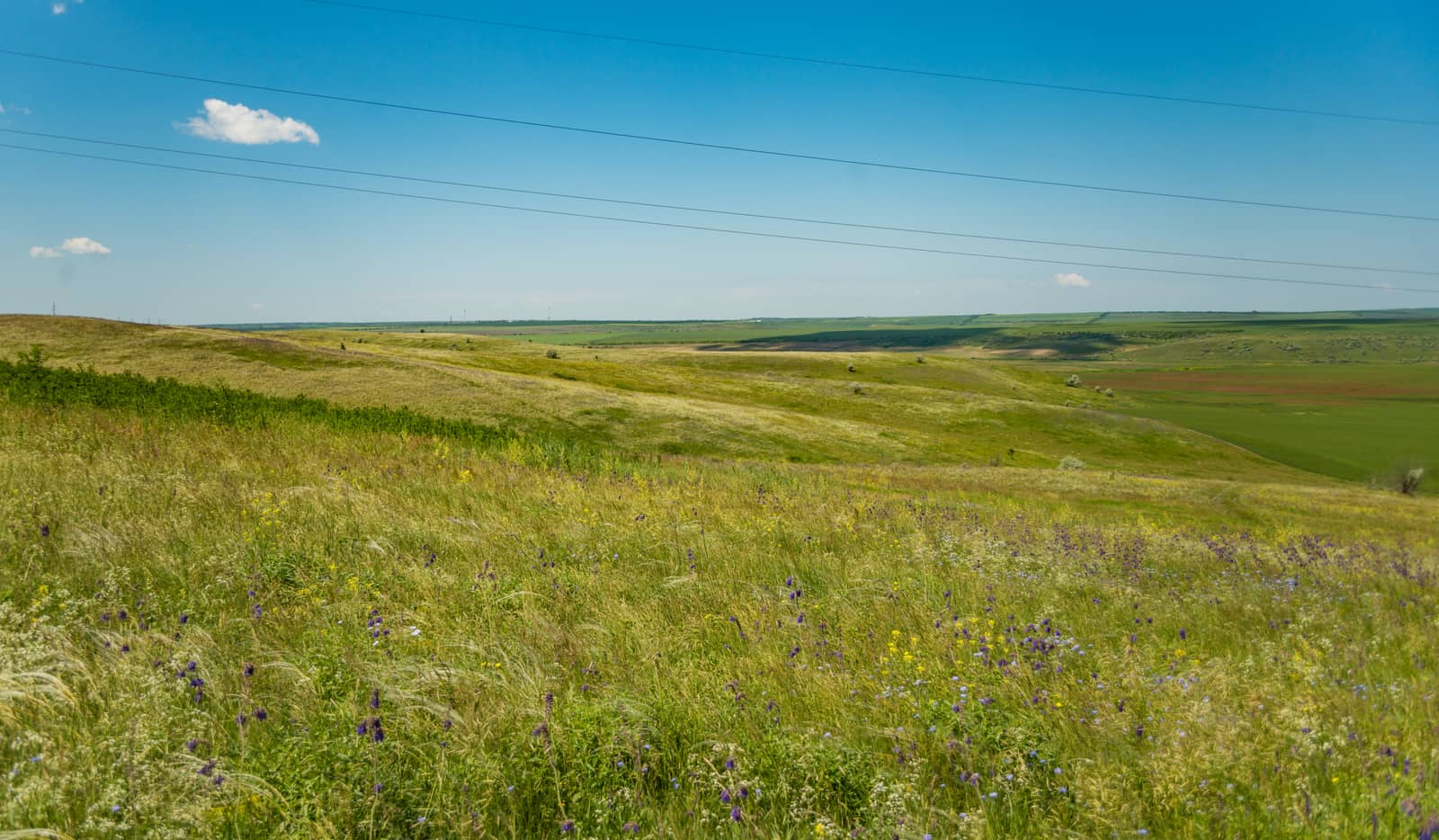
Gagauzia rewards curiosity rather than box-ticking. There is no single must-see monument; instead there is a living culture found almost nowhere else, wide steppe horizons, some of Moldova’s warmest wines and people who are genuinely pleased that you came. This guide covers how to make the most of it.
Gagauzia in brief
- Where: southern Moldova, in the Budjak steppe; capital Comrat, about 100 km from Chișinău.
- Status: an autonomous territorial unit within the Republic of Moldova since 1994, officially called Gagauz Yeri.
- People: around 135,000, mostly Gagauz, with Bulgarians, Moldovans, Russians and Ukrainians.
- Languages: Gagauz, Russian and Romanian are official; Russian dominates daily life.
- Religion: overwhelmingly Orthodox Christian.
- Currency: Moldovan leu (MDL).
- Time zone: Eastern European Time (UTC+2, UTC+3 in summer).
A short history
The origins of the Gagauz are debated — theories link them to medieval Turkic peoples of the steppe and to Turkic-speaking communities of the eastern Balkans. What is clear is that their ancestors lived for centuries in what is now north-eastern Bulgaria and the Dobruja, and that in the late 18th and early 19th centuries many moved north across the Danube. After the Russian Empire took Bessarabia in 1812, Gagauz and Bulgarian settlers were given land in the thinly populated Budjak steppe, where they founded the villages that exist today.
The region then shared the fortunes of Bessarabia: Russian rule, union with Romania between the world wars, incorporation into the Soviet Union, and independence as part of Moldova in 1991. The Gagauz language, long passed on by word of mouth, gained a written standard in the 20th century and is now written in the Latin alphabet.
What to see
Start with Comrat for the cathedral, museum and market. The village of Beșalma has the essential ethnographic museum; Congaz has the Gagauz Sofrası ethno-complex for food and a bed; Avdarma has a superb modern village museum. East lies Ceadîr-Lunga with its horse stud, and scattered across the steppe are the wineries of the Gagauz wine route.
| If you have… | Do this | Sleep in |
|---|---|---|
| 1 day | Comrat (cathedral, museum, market), Beșalma museum and windmill, late lunch at Gagauz Sofrası in Congaz | Chișinău |
| 2 days | Day 1 as above. Day 2: Avdarma museum, Tomai or Comrat winery, Ceadîr-Lunga and the horse farm | Comrat or Congaz |
| 3 days | Add the far south: Vulcănești and the Kara Gani winery, Trajan’s Wall and Cahul | Comrat, then Cahul |
| A week in Moldova | Chișinău, Cricova or Mileștii Mici, Orheiul Vechi, 2 days in Gagauzia, a night at a wine estate | Chișinău, Comrat, a winery |
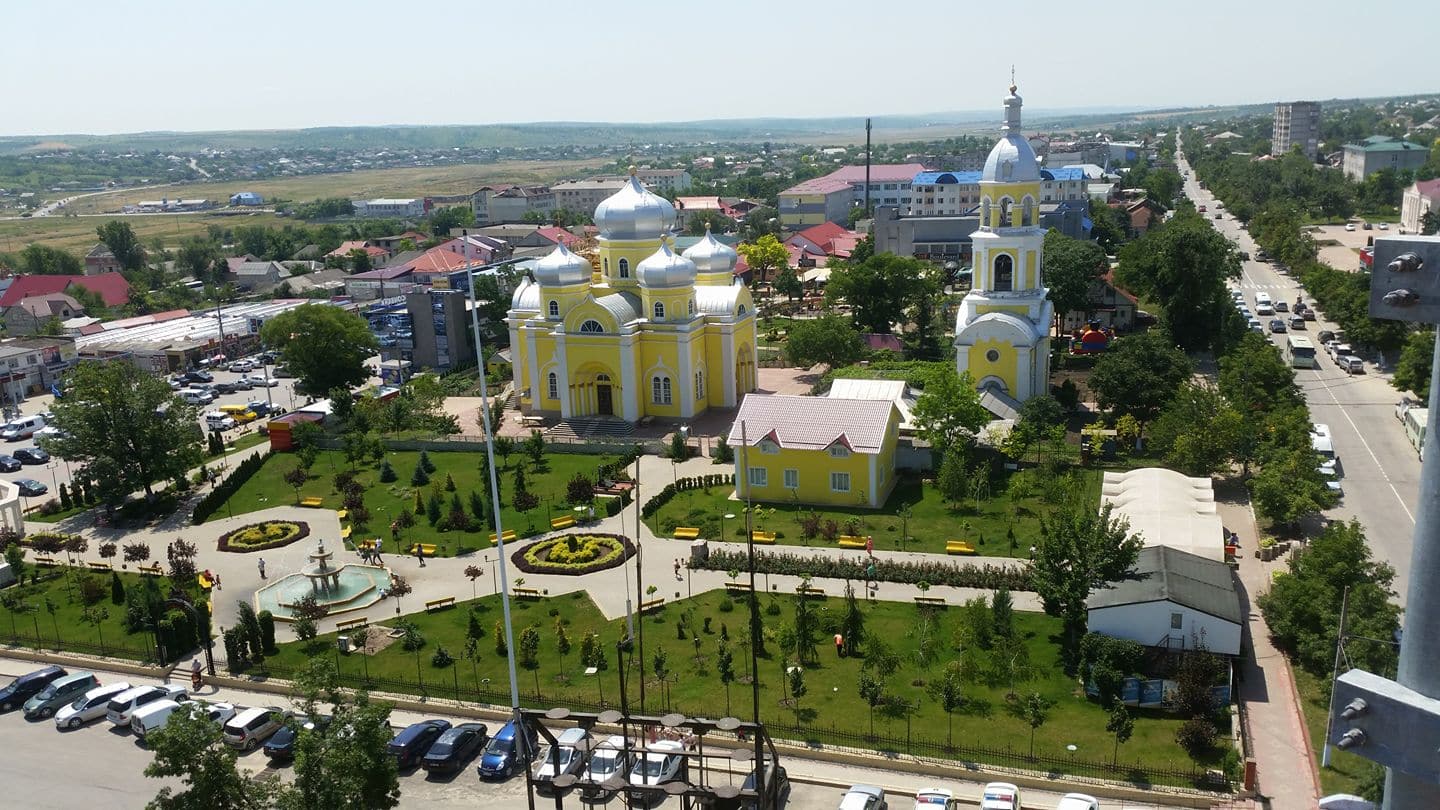 Gagauz towns
 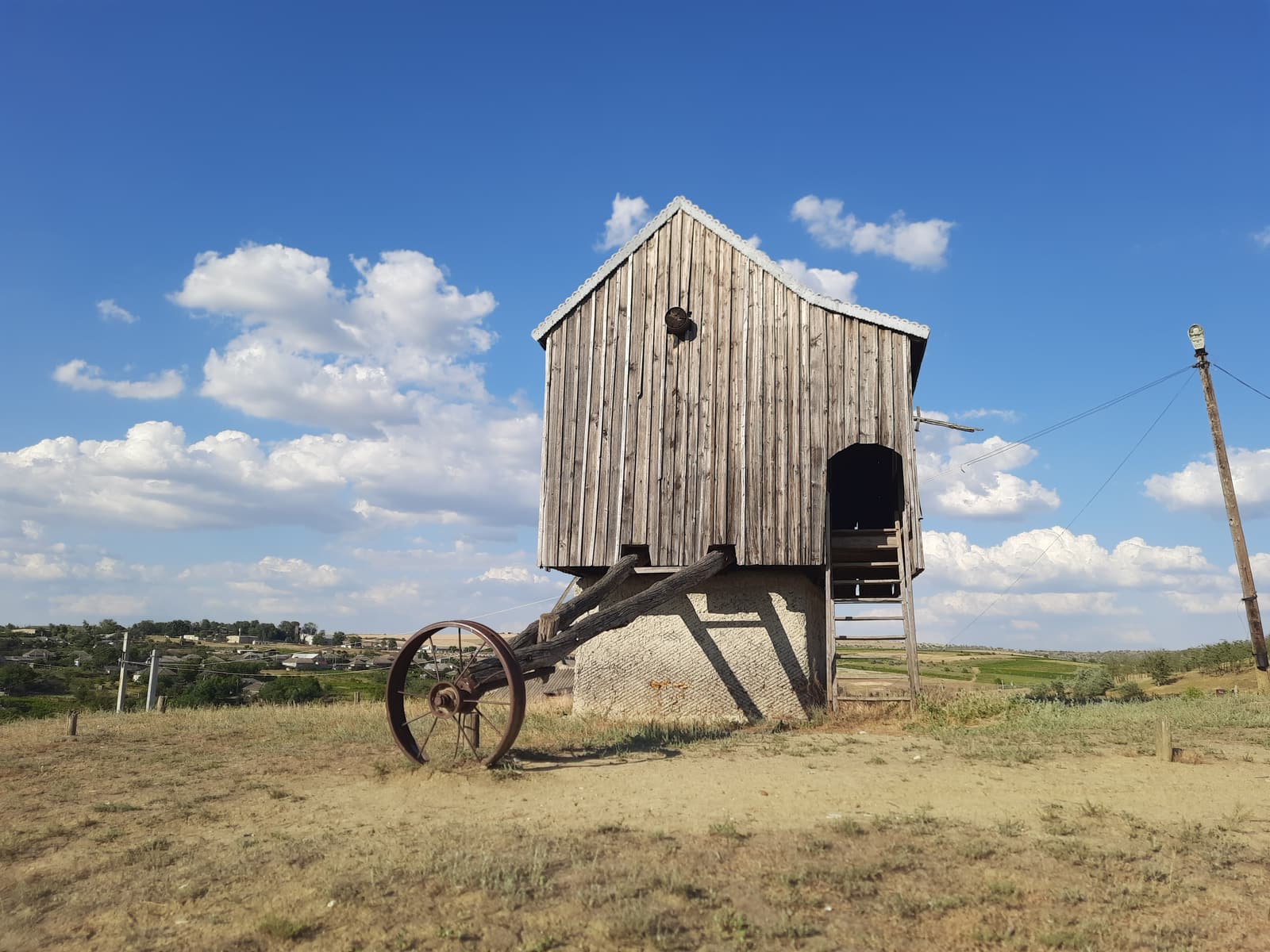 Villages & museums
 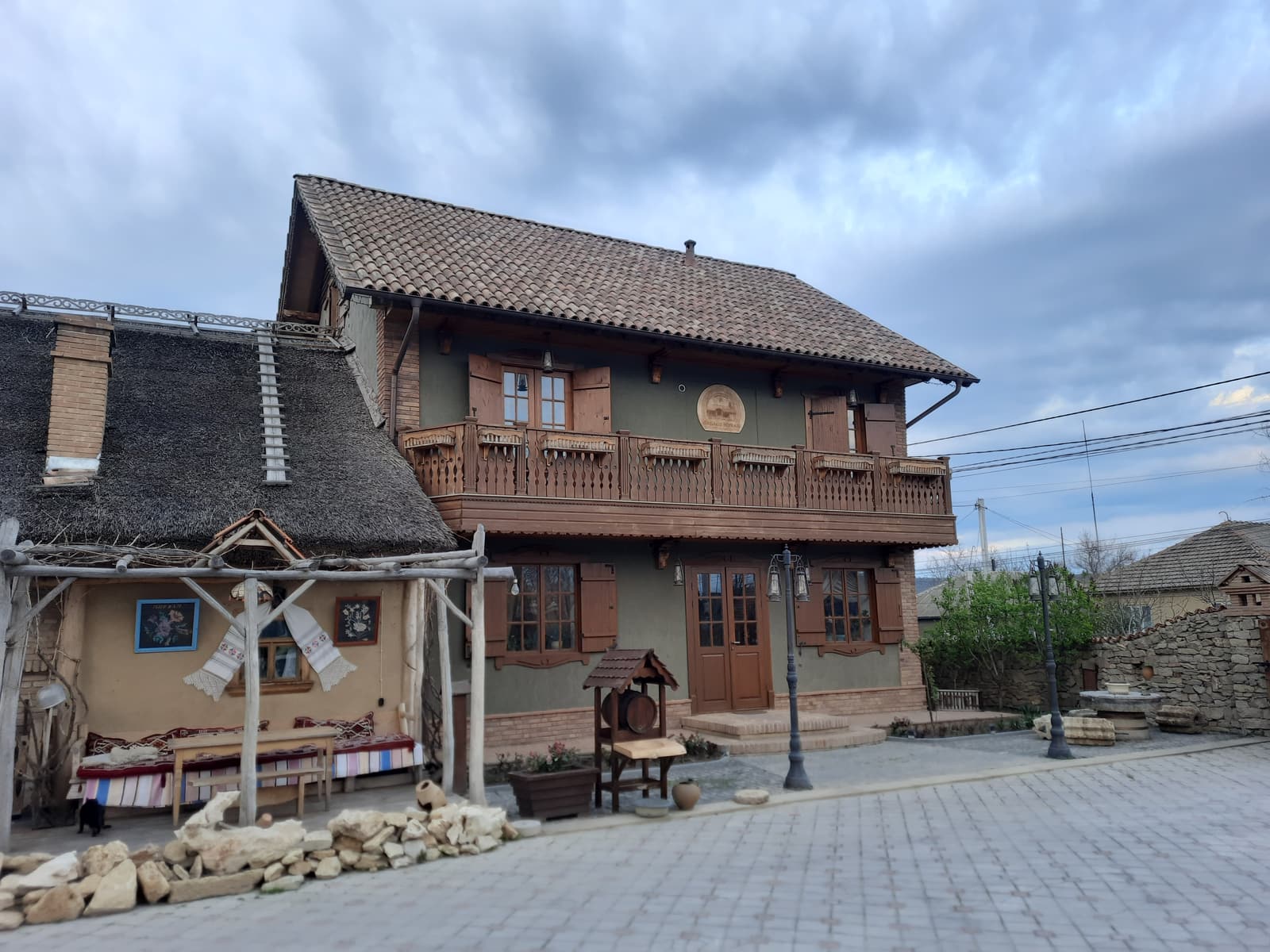 Villages & museums
 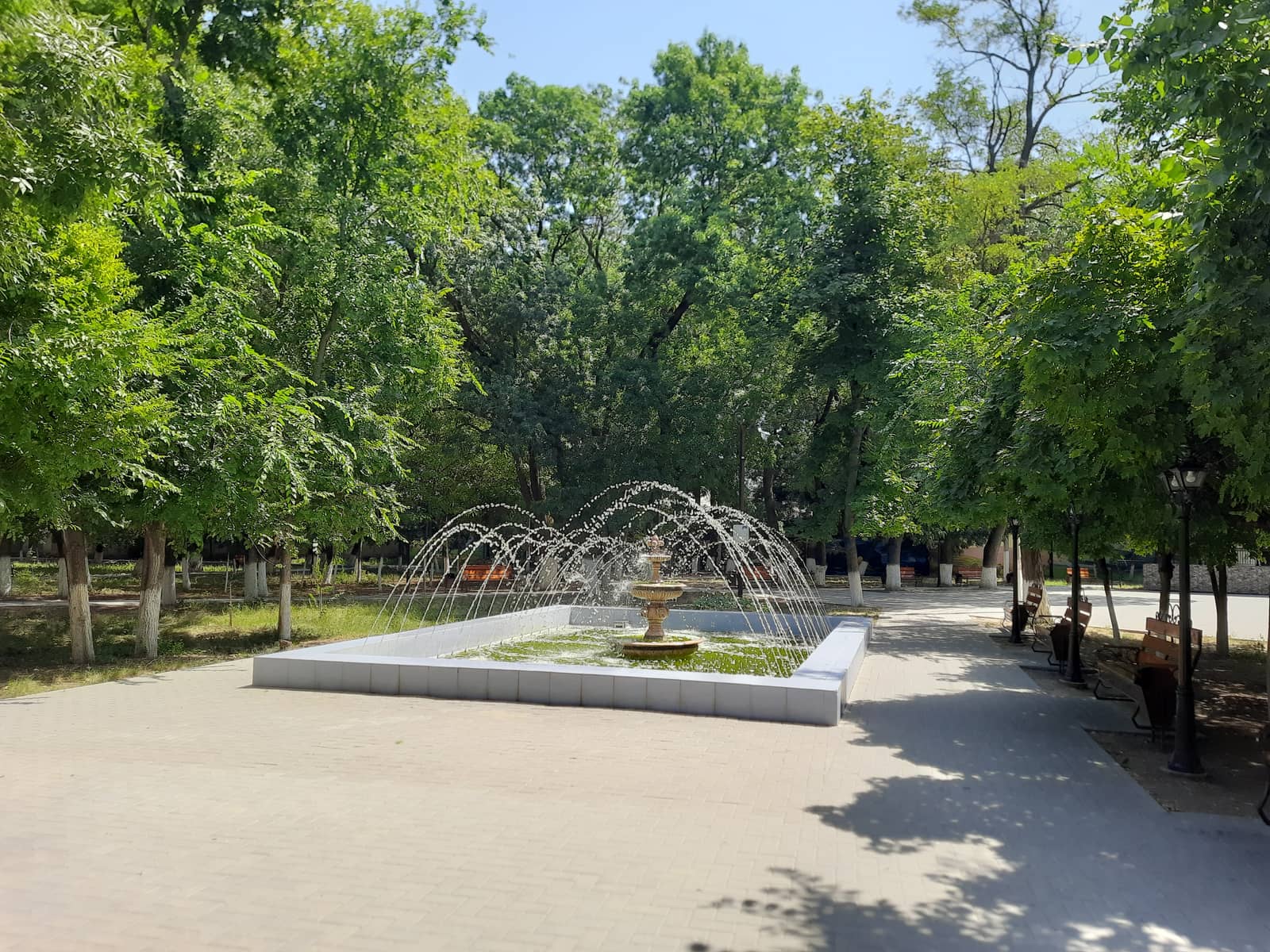 Gagauz towns
 Ceadîr-Lunga
Horses, wine and a leafy town centre
Gagauzia’s second town, in the east of the region: the At-Prolin horse stud farm, local wineries and steppe ravines on its edge.
Money and costs
The currency is the Moldovan leu (MDL). Gagauzia is inexpensive by European standards: a marshrutka from Chișinău, a museum ticket or a market lunch each cost very little, though prices change — check current rates. Carry cash. Cards are accepted in supermarkets, petrol stations and some restaurants in Comrat, but not in markets, minibuses, most village museums or homestays. ATMs are found in Comrat, Ceadîr-Lunga and Vulcănești. Exchange euros or dollars in Chișinău or at banks in Comrat.
Tipping is not obligatory; rounding up or leaving around ten per cent for good restaurant service is appreciated, and a tip for a guide or driver is customary.
Language
Russian is the lingua franca: it is what you will hear in shops, on buses and in most museum tours. Gagauz is spoken at home and in the villages, and Turkish speakers will understand a surprising amount. Romanian, Moldova’s state language, is understood by many, especially younger people. English is uncommon outside hotels, universities and tourism businesses. A translation app with offline Russian is very useful, and a few words — saa ol (thank you, in Gagauz), spasibo (Russian) or mulțumesc (Romanian) — go a long way.
Safety and travel advice
Gagauzia is a quiet, rural region and crime against visitors is rare. The usual precautions apply: watch your belongings in markets and bus stations, avoid driving on unlit roads at night and drink sensibly — hosts are generous. Regional politics is sometimes in the news; it rarely touches visitors, and it is courteous to listen rather than argue.
Moldova borders Ukraine, and some Gagauz districts are close to that border. Before travelling, read your own government’s current advice for Moldova, including any guidance on border areas and on the Transnistria region, and follow local instructions. Take out travel insurance that covers medical care. Pharmacies are found in every town; for anything serious, hospitals in Chișinău are better equipped.
Etiquette
- In churches dress modestly; women usually cover their hair and men remove hats. Ask before photographing services.
- At the table you will be offered more food and wine than you can manage. Taste everything, praise the cook, and say when you have had enough.
- In homes take off your shoes at the door unless told otherwise; a small gift is appreciated.
- With cameras ask before photographing people, especially the elderly and at markets.
What to pack
- Sun hat, sunscreen and water in summer — the steppe has little shade.
- A warm, windproof layer from October to April.
- Comfortable shoes for unpaved village streets.
- A scarf for church visits, cash in small notes and a plug adaptor for European sockets (230 V, types C and F).
- An offline map and a translation app.
Connectivity
Mobile coverage is good in towns and along main roads. Prepaid SIM cards and eSIMs from Moldovan operators are inexpensive and easy to buy in Chișinău with a passport. EU roaming arrangements may not apply — check with your operator. Wi-Fi is standard in hotels and common in cafés.
Combining Gagauzia with the rest of Moldova
Most travellers base themselves in Chișinău and add day trips: the underground cellars of Cricova and Mileștii Mici, the cave monastery of Orheiul Vechi and, for wine lovers, a night at Purcari. Further south, Cahul and Trajan’s Wall extend a Gagauzia trip by a day. Compare the best tours to see which pieces are easiest to book.